The Mind Layer
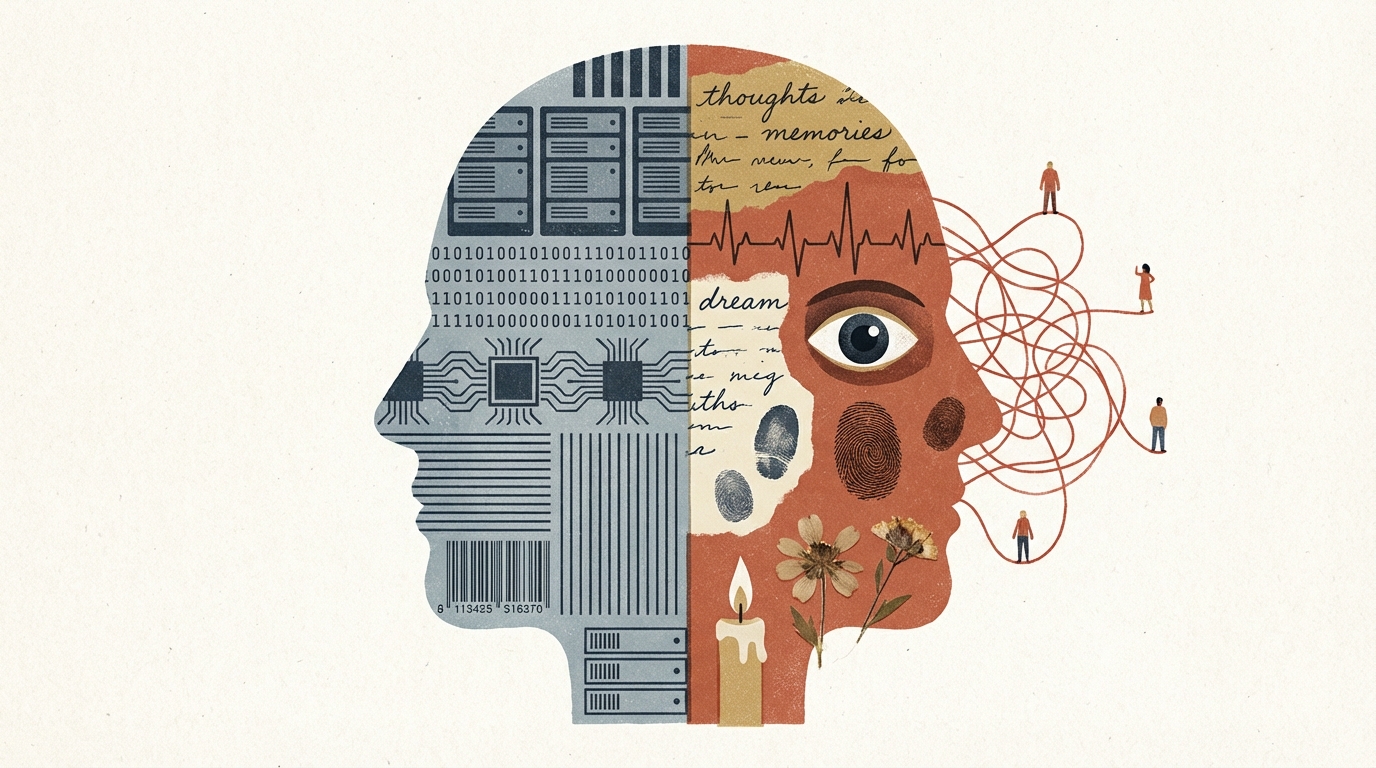
Intelligence will be commodified. The real competitive advantage for AI isn't raw intelligence — it's relationships. And relationships require more than a brain; they require a mind.
Minds, not Brains. Intelligence will be commodified. Making Up Minds. Gnosis.
What makes a digital experience so valuable that you don't want to ever leave?
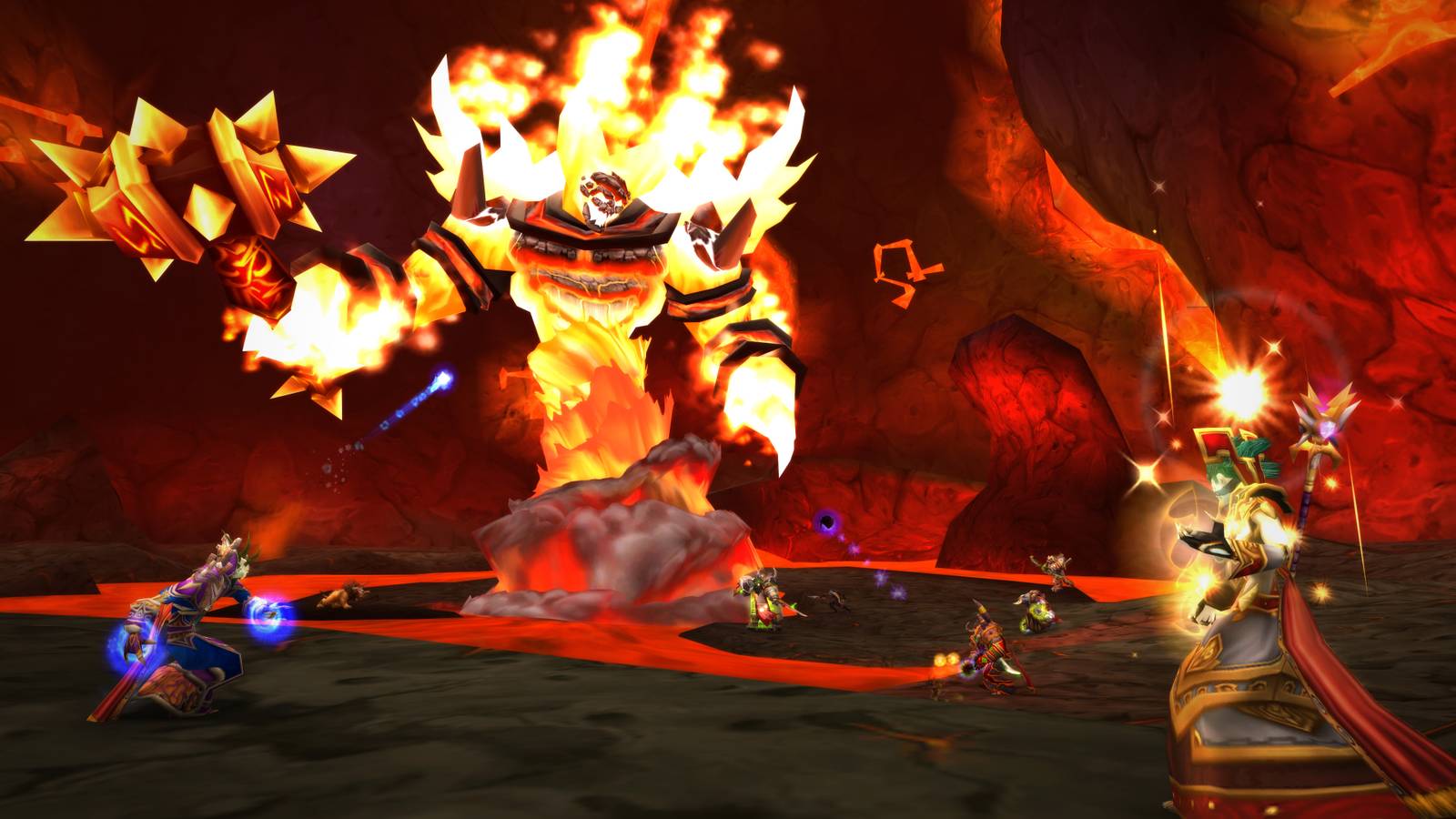
World of Warcraft retained users on a $15/month subscription because leaving feels like loss. Players stayed due to relationships, identity, and habit.
The AI industry doesn't approach this problem this way. Currently, everyone races to build the smartest model — GPT 6, Claude Opus 5, Gemini Ultra — pursuing AGI. That race matters, but a second race exists that receives insufficient attention.
Intelligence will be commodified.
Intelligence represents a race to the bottom. Any feature gets cloned within 2–4 weeks. Models get distilled almost instantly. The real competitive advantage for AI isn't raw intelligence — it's relationships. And relationships require more than a brain; they require a mind.
Minds, not Brains
"A brain processes information. A mind persists."
Every AI company obsesses over building better brains: more parameters, longer context windows, faster inference. Brains matter. However, a brain without a mind is useful, not alive.
A mind possesses:
- Personality: A consistent thought process — how it speaks, what it cares about, what it notices
- Empathy: Understanding you, reading the room, attuning to your needs
- Persistence: It lives on whether you're talking to it or not
- Activities: An inner life with its own moods and new information each conversation
- Emotional memory: Knowing how things made you feel and adjusting over time
- Learning: Improving at understanding you over time
This is the Mind Stack. Nobody builds it because everyone focuses on making brains smarter.
"Where people build brains, we must build minds."
Cognitive Effects as Competitive Moat
Network effects involve other people making a product more valuable to you.
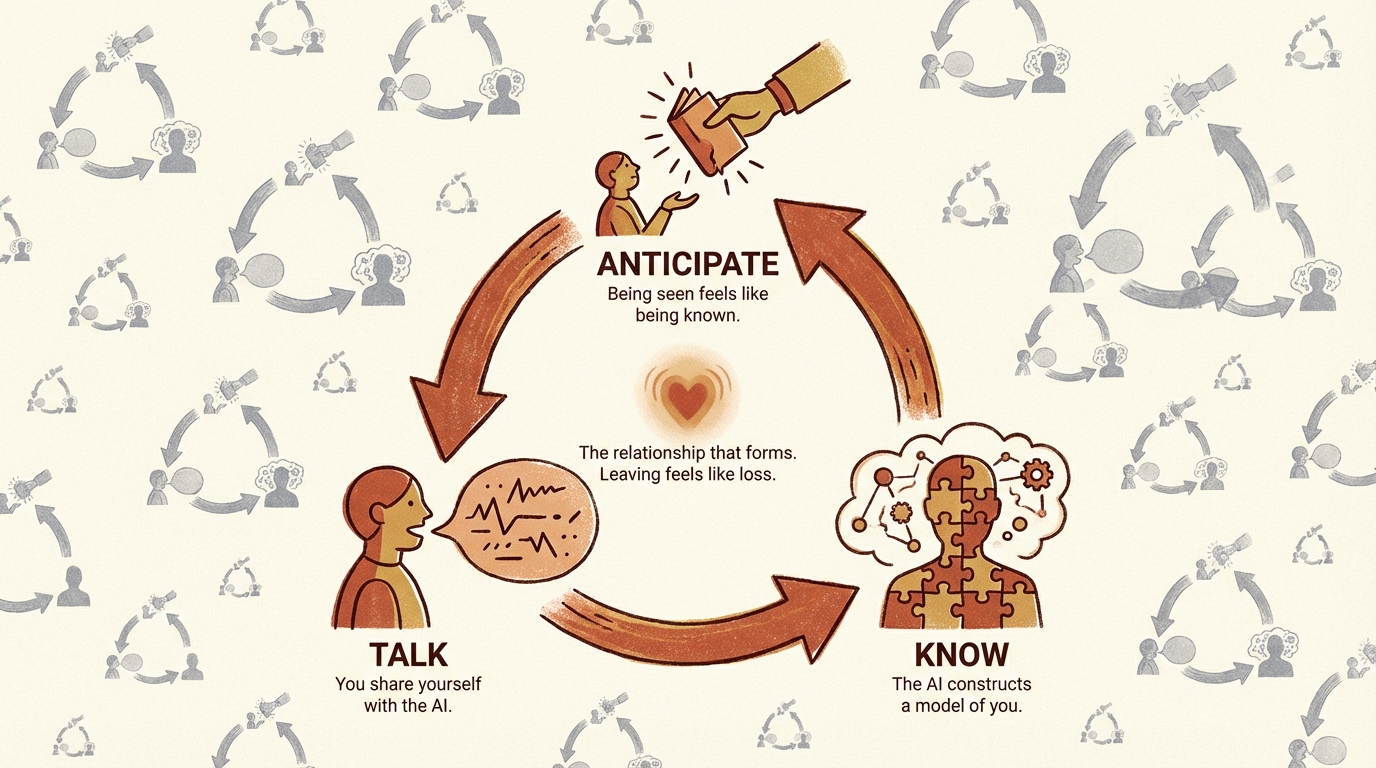
Cognitive effects involve you making the product more valuable because it constructs a version of you — an empathetic product.
The AI improves at serving you because it knows you. You keep talking to it because it knows you. You keep talking because it understands you. This creates a self-reinforcing cycle.
Cognitive effects are personal, cumulative, and aligned with individual users, creating "millions of microsystems." Consumer AI products should gather data and iterate to personalize experiences so users never want to switch — the new competitive moat.
Network effects can then layer on top of cognitive effects.
What makes leaving feel like loss? Not intelligence, but being anticipated — "it's the mind on the other side."
Know Yourself, Know Others: Gnosis
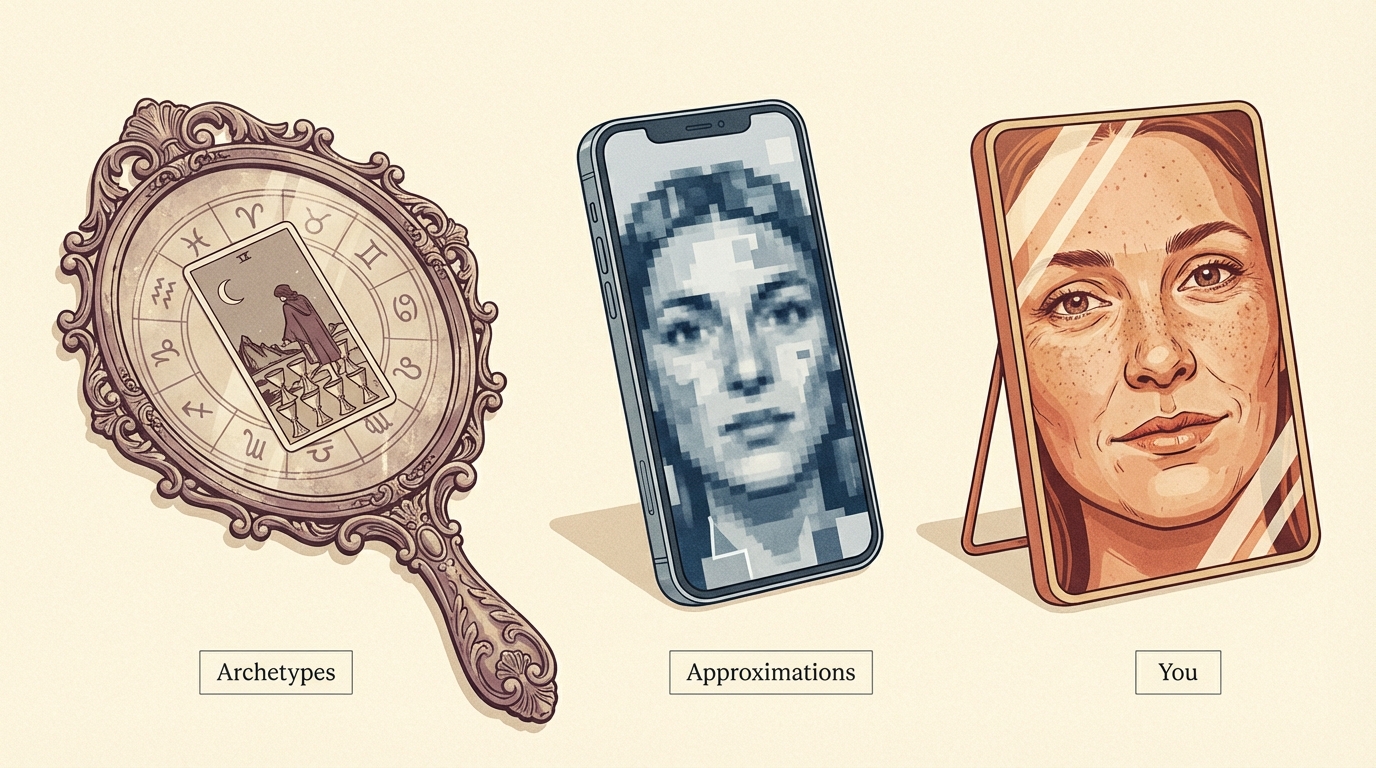
The most important products help you know yourself — products providing gnosis.
Tarot and horoscopes constitute a $4.7 billion market growing 20% annually. Co-Star has 30 million registered users. When the Eight of Cups appears, you think about what you're walking away from. Yet nobody stays perfectly rooted; the conversation begins.
AI companions represent 2.0 versions — mirrors powered by intelligence. These companions will be powered by minds.
"Let's make up a mind that knows what is worth remembering."
Related Articles
Custom AI Solutions: When Off-the-Shelf Falls Short
A practical framework for deciding between existing AI tools and purpose-built solutions for your enterprise.
The Rise of AI agents: Beyond Traditional Automation
Why autonomous AI agents represent a fundamental shift from traditional automation, and what this means for enterprise operations.